Lead Nurturing Automation: Cold Contact to Meeting in 72 Hours
May 14, 2026
Introduction: The Speed Imperative in Modern Lead Conversion
In today’s hyper-competitive digital landscape, the difference between winning and losing a deal often comes down to response time and consistency. Research shows that companies responding to leads within five minutes are 100 times more likely to connect than those waiting just 30 minutes. Yet most organizations still rely on manual follow-up processes that leave prospects waiting days for meaningful engagement. This is where lead nurturing automation transforms your sales pipeline from a leaky funnel into a revenue-generating machine.
Automated lead nurturing isn’t about replacing human connection—it’s about intelligently orchestrating touchpoints that move prospects through the buyer’s journey faster and more effectively. By implementing a strategic automation system, forward-thinking businesses are compressing sales cycles from weeks to mere days while simultaneously improving conversion rates. Let’s explore how to build a complete automated system that turns cold contacts into booked meetings within 72 hours.
Understanding the Lead Lifecycle and Automation Triggers
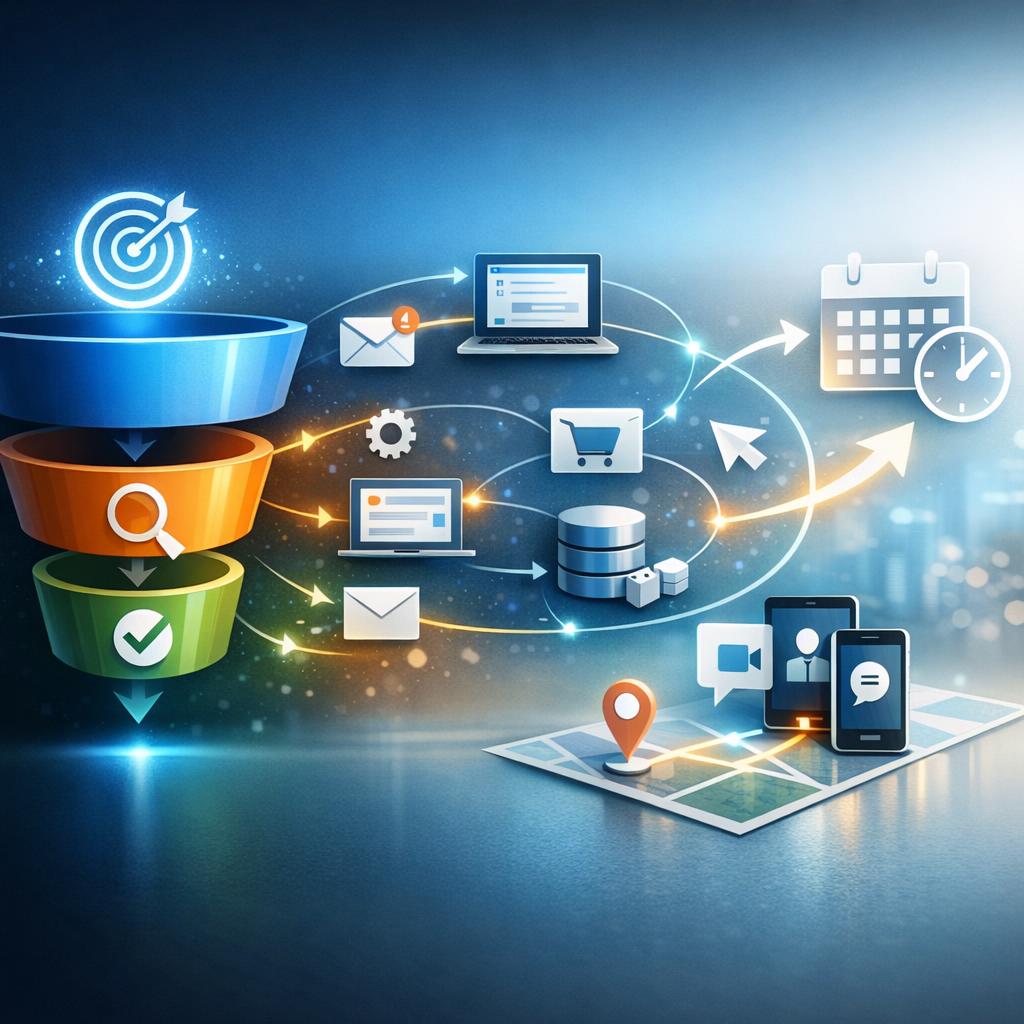
Effective lead nurturing automation begins with mapping the three critical stages of the buyer’s journey: awareness, consideration, and decision. At each stage, prospects exhibit specific behaviors that should trigger automated responses. During awareness, a prospect might download a whitepaper or visit your pricing page—signals that warrant immediate educational content. In the consideration phase, repeated website visits or email engagement indicate growing interest that requires social proof and case studies. Finally, decision-stage behaviors like requesting demos or viewing testimonials demand direct sales engagement.
The key to successful automation lies in identifying the right triggers across multiple data sources. Website behavior tracking reveals intent through page visits, time on site, and content downloads. Email engagement metrics like open rates, click-throughs, and reply activity indicate receptiveness to your messaging. CRM status changes—such as lead scoring thresholds or qualification criteria being met—should initiate escalated nurturing sequences. Modern AI-powered automation systems can synthesize these signals in real-time, ensuring no opportunity slips through the cracks.
Critical Automation Triggers to Implement
- Immediate triggers: Form submissions, live chat inquiries, phone calls
- Behavioral triggers: Pricing page visits, competitor comparison views, case study downloads
- Engagement triggers: Email link clicks, video watch completion, webinar attendance
- Time-based triggers: Scheduled follow-ups, abandoned cart reminders, re-engagement campaigns
- Scoring triggers: Lead score thresholds, qualification criteria met, buying committee identification
Building Your Multi-Channel Nurturing Sequence
The most effective lead nurturing automation leverages multiple communication channels to meet prospects where they’re most responsive. Email remains the foundation, but integrating SMS reminders, WhatsApp follow-ups, and retargeting ads creates a cohesive experience that dramatically improves conversion rates. A typical 72-hour sequence might include an immediate email response, followed by educational content via email on day one, an SMS check-in on day two, and a WhatsApp meeting request on day three—all personalized based on the prospect’s industry, company size, and previous interactions.
Personalization is what separates high-performing automation from spam. Dynamic content blocks allow you to customize messaging based on firmographic data, behavioral signals, and CRM information. For example, a SaaS prospect from the healthcare industry should receive case studies featuring healthcare clients, compliance-focused messaging, and industry-specific pain points. This level of personalization, once requiring hours of manual work, now happens automatically through intelligent segmentation and conditional content logic.
Optimal Timing Strategy for Maximum Impact
- Immediate response (0-5 minutes): Automated thank-you email with relevant resource and calendar link
- Educational phase (Hours 2-24): Industry-specific case study or guide addressing their primary pain point
- Social proof (Day 2): Customer testimonial video and third-party validation (G2 reviews, industry awards)
- Value demonstration (Day 2-3): ROI calculator, product demo video, or interactive tool
- Meeting request (Day 3): Direct ask with multiple calendar options and clear value proposition
Real-World Results: B2B SaaS Case Study
A mid-market B2B SaaS company specializing in project management software implemented a comprehensive lead nurturing automation system and achieved remarkable results. Previously, their sales cycle averaged 45 days from first contact to closed deal, with only 8% of inbound leads converting to qualified opportunities. Their manual follow-up process meant prospects often waited 24-48 hours for initial responses, and inconsistent nurturing led to 60% of leads going cold before reaching the decision stage.
After implementing automated lead nurturing with multi-channel touchpoints and behavioral triggers, they reduced their sales cycle to just 12 days—a 73% reduction. Lead-to-opportunity conversion jumped to 23%, nearly tripling their pipeline efficiency. The system automatically scored leads based on engagement, routed high-intent prospects to senior sales reps, and maintained consistent communication with lower-priority leads until they showed buying signals. Most impressively, 40% of their closed deals now book their first meeting within 72 hours of initial contact, compared to just 5% previously.
Implementation Roadmap and Technical Considerations
Successfully deploying lead nurturing automation requires careful planning and the right technology stack. Start by auditing your current CRM setup—whether you’re using HubSpot, Salesforce, or another platform—and mapping out your ideal lead journey. Define clear qualification criteria and lead scoring parameters that align with your actual customer profile. Most organizations find success starting with a simple 3-5 email sequence before expanding to multi-channel orchestration and advanced personalization.
GDPR compliance and privacy considerations must be built into your automation from day one. Ensure every automated communication includes clear opt-out mechanisms, respect communication preferences, and maintain detailed consent records. Your CRM should automatically suppress contacts who unsubscribe and honor do-not-contact requests across all channels. Building trust through transparent, permission-based marketing isn’t just legally required—it’s essential for long-term customer relationships.
For businesses looking to implement sophisticated automation without overwhelming their teams, partnering with specialists who understand both the technology and strategy can accelerate results. Digital AI assistants can handle initial qualification, answer common questions 24/7, and seamlessly hand off qualified prospects to your sales team—creating a truly automated yet personalized experience.
Summary: Accelerating Revenue Through Intelligent Automation
Lead nurturing automation represents one of the highest-ROI investments available to modern businesses. By implementing a strategic, multi-channel system that responds instantly, personalizes at scale, and nurtures consistently, you can dramatically compress sales cycles while improving conversion rates. The key is starting with clear buyer journey mapping, implementing behavioral triggers that reflect actual intent, and continuously optimizing based on performance data.
The businesses winning in today’s market aren’t necessarily those with the largest sales teams—they’re the ones leveraging intelligent automation to maximize every opportunity. Whether you’re handling 50 leads per month or 5,000, the principles remain the same: respond immediately, provide value consistently, and guide prospects toward decisions with personalized, timely communication. The 72-hour cold-to-meeting conversion isn’t just possible—it’s becoming the new standard for digitally optimized organizations.